
The Allure of Risk in Gambling
The psychology behind risk-taking in casino gaming is a fascinating topic that delves into why individuals are drawn to games of chance despite the inherent uncertainties. Many players are attracted to the thrill of uncertainty, where the possibility of winning big creates an adrenaline rush that is both exciting and addictive. This allure is compounded by the rewards that can sometimes come from successful risk-taking, reinforcing the behavior and leading to continued participation in gambling activities. For those looking to explore excitement, a visit to a bitcoin casino could bring both thrills and novel experiences.
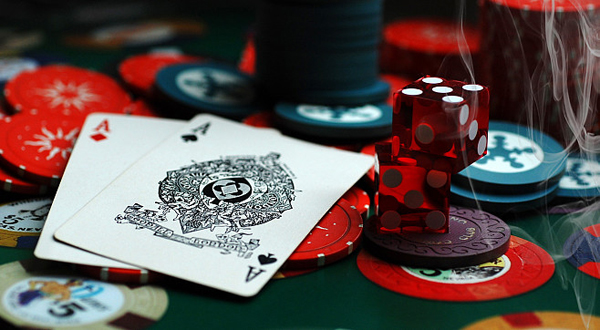
Furthermore, the concept of loss aversion plays a significant role in this dynamic. Players often focus more on avoiding losses than on the potential for gains, which can lead to irrational decision-making. This cognitive bias can compel individuals to take greater risks, hoping to recover losses, thus leading them deeper into the cycle of gambling.
The Role of Cognitive Biases in Casino Games
Cognitive biases significantly influence how players perceive risk in casino gaming. The gambler’s fallacy, for instance, refers to the mistaken belief that past outcomes can influence future results. Gamblers might believe that a certain slot machine or roulette number is “due” for a win after a series of losses, prompting them to gamble more heavily. Such misconceptions can distort their understanding of probability, leading to risky behavior.
Additionally, the illusion of control is another psychological phenomenon that often manifests in casino environments. Players may feel they can influence outcomes through their actions, such as choosing specific numbers or strategies. This false sense of control amplifies their willingness to take risks, potentially resulting in greater financial losses as they chase perceived control over the unpredictable outcomes of gambling.
Emotions and Risk-Taking Behavior
Emotions play a critical role in a player’s risk-taking behavior in casinos. The emotional high associated with winning can lead to a euphoric state, which encourages players to bet larger amounts or engage in more risk-laden games. Conversely, feelings of frustration or anger from losses can lead to impulsive decisions, where players gamble recklessly in an attempt to regain lost money.
Moreover, the social environment of casinos can heighten emotional responses, as the atmosphere is often filled with excitement and energy. The presence of other players celebrating wins can create a sense of urgency and competition, further encouraging risk-taking. This collective emotion can cloud judgment and lead to choices that prioritize immediate gratification over long-term financial well-being.
The Impact of Game Design on Risk Perception
The design of casino games directly influences players’ perception of risk and their willingness to engage. Many games incorporate elements that enhance the excitement factor, such as high-quality graphics, immersive sound effects, and dynamic gameplay. These components create a sensory experience that can obscure the reality of the risks involved.
Additionally, variable rewards—like those found in slot machines—play a crucial psychological role. The intermittent reinforcement schedule, where players receive payouts sporadically, often conditions them to continue playing in hopes of hitting that next big win. This design taps into the brain’s reward system, making it difficult for players to recognize their losses as they chase the high of a potential jackpot.

Enhancing Productivity with Leadmonk.io
Understanding the psychology of risk in casino gaming can help individuals reflect on their gambling behaviors and make more informed decisions. Just as Leadmonk.io offers tools to enhance productivity and streamline workflows, individuals can benefit from structured approaches to managing their gambling habits. By applying principles of organization and awareness, one can foster healthier gaming practices.
Leadmonk.io’s focus on efficiency mirrors the need for clarity in decision-making, particularly in high-risk environments like casinos. By harnessing tools for better task management and collaboration, users can achieve a balanced approach to their leisure activities, ensuring that their enjoyment does not compromise their financial health.
